Combining GLP-1 drugs with hormones may lower uterine cancer risk
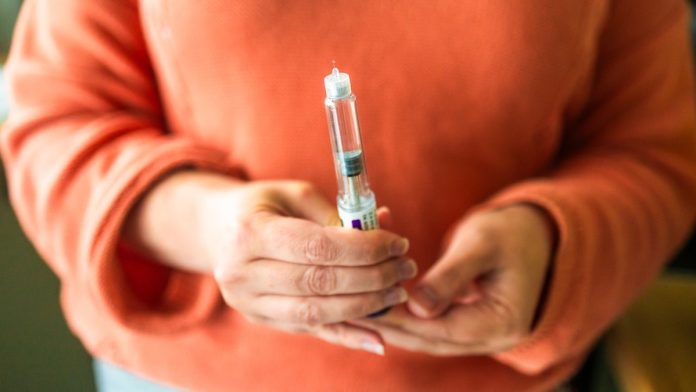
Adding GLP-1 medications like Ozempic to progestin therapy could cut the risk of developing endometrial cancer. A retrospective study published in the journal JAMA Network Open found that women using this combination had a much lower risk of developing the disease than those on progestins alone.
Endometrial cancer (EC) is the most common gynecologic cancer in developed countries. Hormones like progestins are used to treat pre-cancerous thickening of the uterine lining or heavy bleeding, and while they are effective, they do not address the underlying metabolic issues, such as high blood sugar and insulin resistance, that can drive the cancer. So the research team wondered if treating these metabolic factors more directly could help prevent the disease.
Retrospective study
They conducted a retrospective cohort study, meaning they analyzed existing medical data to see how different treatments affected patients over time. The team used a global database called TriNetX, which contains de-identified electronic health records from millions of people.
They narrowed down their search to 444,820 women aged 18 or older who either had a thickened uterine lining or other non-cancerous uterine issues and were all prescribed progestin.
The researchers divided them into groups based on whether they also took a GLP-1RA drug, the diabetes drug metformin or both. The team also used a statistical technique called propensity score matching to compare women with similar health profiles. So what did they find?
Reductions in cancer risk
Patients who took a GLP-1RA medication and progestins had a 66% lower risk of developing endometrial cancer than those who were taking progestins only. The GLP-1RA/progestin combination was even more effective than the common metabolic drug metformin. Combining all three (GLP-1RA, metformin, and progestins) reduced risk by 63% compared to dual therapy (metformin plus progestins) and by 56% compared to progestin therapy alone.
One of the study’s most significant findings was the lower risk of needing a hysterectomy. Many women with uterine issues undergo surgery to prevent cancer from developing. However, the researchers discovered that after two years, women on GLP-1RA and progestins had a 53% lower risk of needing a hysterectomy. At the five-year mark, the risk remained 41% lower than that of those on hormones alone.
This combination approach offers hope of a more effective way of protecting women at high risk of this type of cancer. However, the study authors stress that, because their work was based on existing records, direct testing will be needed.
“Adding GLP-1RA to progestin therapy was associated with lower endometrial cancer risk. Further prospective studies and clinical trials are warranted to validate these findings.”