8 Spices With More Anti-Inflammatory Benefits Than Turmeric
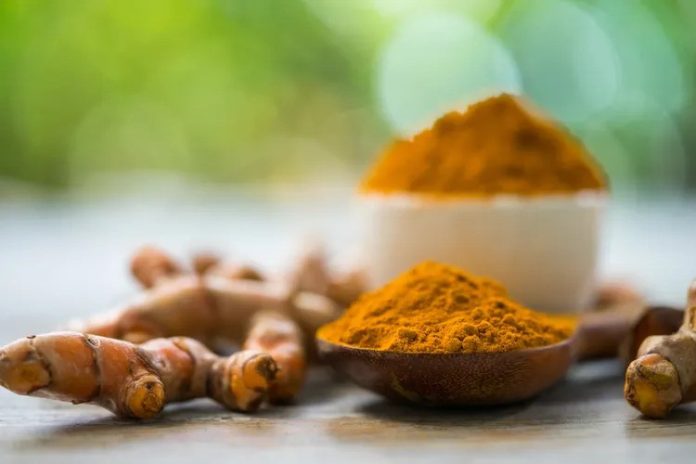
Certain spices can help reduce inflammation, a key factor in chronic conditions like diabetes and heart disease. Turmeric is renowned for its health benefits, but ginger, saffron, and cinnamon are among the best-known anti-inflammatory spices.
- Ginger
Ginger may improve inflammatory health conditions, such as arthritis. A study found that taking a ginger supplement may help alleviate symptoms and slow the progression of rheumatoid arthritis.
This spice contains plant compounds called gingerols and shogaols, which help lower the level of inflammatory proteins in the body and block inflammation from occurring.
Try adding ginger to stir-fries or roasted vegetables. It can also add a warm, spicy flavor to tea or water. It is also available as a supplement.
- Cloves
Cloves are a sweet, warming spice popular in baking. They are rich in polyphenols, antioxidants with strong anti-inflammatory properties. Cloves contain a type of polyphenol called eugenol that can help reduce inflammation and pain.
Add cloves to any sweet dish, such as baked goods, breads, oatmeal, tea, or coffee.
- Cayenne Pepper
Cayenne pepper is a hot spice with potent anti-inflammatory properties.
It contains capsaicin, a compound that reduces inflammatory proteins and improves pain levels.
Research found that capsaicin inhibits the inflammatory pathway in the body, blocking inflammation from occurring.
If you like extra spice in your meals, sprinkle cayenne pepper over chili, stir-fries, eggs, and even desserts.
- Cinnamon
Cinnamon is an anti-inflammatory spice that adds sweet flavor to a variety of dishes. It contains cinnamaldehyde, an antioxidant that may reduce inflammation and regulate blood sugar levels.
One study found that cinnamon may protect brain health and lower the risk of dementia and Alzheimer’s disease, due to its anti-inflammatory effects.
Cinnamon is a tasty addition to baked goods, chili, and oatmeal. It can also be added to warm drinks like tea or coffee.
- Saffron
Saffron is a bright yellow spice that adds rich flavor to rice dishes. It contains plant compounds such as crocin and safranal, which help reduce oxidative stress and inflammation in the body.
Research suggests that regularly taking saffron supplements can reduce the amount of C-reactive protein (CRP), an inflammation marker, in the blood.15 Another study found that saffron may protect against certain inflammatory conditions, including inflammatory bowel disease (IBD).
Saffron is an expensive spice, and a little sprinkle packs big flavor. Use a small amount when cooking soups, stews, chili, or rice dishes.
- Cardamom
Cardamom is a sweet spice rich in anti-inflammatory plant compounds. The oils in cardamom have antioxidant properties, which can reduce cell damage and lower inflammation.
A study found that consuming cardamom may lower inflammatory markers in the blood.18
Cardamom is a popular spice in Indian dishes, adding rich flavor to curries and sauces. It can also be added to sweet pastries and tea.
- Black Pepper
Black pepper is a common spice that may reduce inflammation in the brain. It contains piperine, a compound with potent anti-inflammatory properties.19 A review found that piperine reduces inflammatory markers, which may lead to chronic health conditions, including Alzheimer’s disease and Parkinson’s disease.
Add fresh pepper to salads, rice dishes, and eggs.
- Garlic
Garlic is a vegetable in the same plant family as onions, chives, and leeks. It contains powerful anti-inflammatory properties that may help alleviate symptoms of inflammatory bowel disease.21 Eating a diet rich in garlic may reduce the risk of colorectal cancer.22
Add lightly sauteed garlic to savory dishes like pasta, stir-fry, soups, stews, or roasted vegetables.
Consuming certain herbs may improve inflammation and immune function. The gut is lined with bacteria and other microorganisms that regulate the immune system.23 Eating a diet rich in herbs may support the gut microbiome, lower inflammation, and improve immune function.
However, more research is needed to determine if herbs are an effective treatment. Many studies examine the health benefits of herb supplements, rather than fresh or dried herbs. Supplements provide a much higher concentration of the herb.