The 10 Best High-Fiber Foods to Eat for Breakfast, According to a Dietitian
No matter what time your day starts, the first meal sets the tone—and can give you an energy boost to start the day. A high-fiber breakfast can help you meet the recommended intake of 25 to 38 grams of fiber per day.7 When you eat breakfast (or any meal) with very little to no fiber, you may have less stable blood sugar levels, you may get hungry long before lunch and your digestion may be off. On the other hand, there are many health benefits to getting the fiber your body needs, including a healthier microbiome, helping stabilize your blood sugar and maintaining healthy cholesterol levels.
- Oats
Thanks to their fiber, oats are well known for their ability to lower LDL cholesterol and stabilize blood sugar levels. But did you know that oats also provide prebiotics, which help feed the “good” bacteria in your gut? Over time, this can shift your microbiome, crowding out “bad” bacteria and allowing the good germs to proliferate, which plays a role in nutrient absorption and digestion, among other functions. Oats are a versatile ingredient for mixing together overnight oats or baking oat muffins to enjoy while on the go.
- Muesli
Want to jazz up your oats? Muesli packs rolled oats, dried fruits, nuts and seeds for a breakfast loaded with fiber, texture and flavors. Add apple slices and ground cinnamon for a hearty muesli that supplies 9 grams of fiber per serving. Alternatively, make Scandinavian Muesli with chopped dried or fresh fruits and nuts, all for 5 grams of fiber per serving.
- Berries
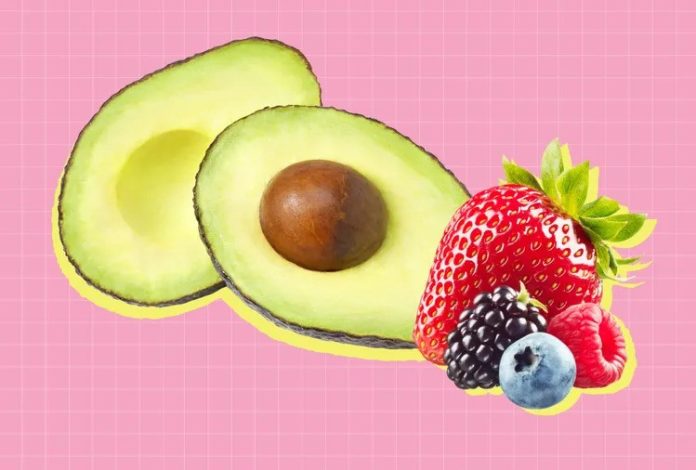
If you love berries, strawberries, raspberries, blueberries and blackberries pair perfectly with breakfast. Both fresh and frozen berries have an impressive nutritional profile, including fiber and vitamin C, and they’re one of the best foods to help reduce inflammation.
- Wheat Bran
If you are looking for an easy way to boost your fiber intake, try bran for breakfast. As a bonus (and surprise) benefit, wheat bran may produce less smelly farts because it contains insoluble fiber that encourages food to move through your digestive system, ultimately decreasing the risk of constipation. Bran doesn’t have to be bland: Add a spoonful or two to your favorite muffin and pancakes for a healthy update.
- Avocado
Avocados are ideal for breakfast because they are full of nutrients, such as vitamin E, folate, magnesium, potassium and more. Half an avocado has an impressive 7 grams of fiber, or one-third of your daily recommended fiber intake.1 More importantly, avocado’s smooth and buttery texture makes it an excellent ingredient for smoothies, paired with egg and toast and in pancake breakfast wraps.
- White Beans
Speaking of avocado toast, you can also top yours with white beans. A half-cup of white beans contains 6 grams of fiber, and is a good source of iron, potassium and folate.2 Stuff white beans into a plant-based breakfast burrito like our Vegan Freezer Breakfast Burrito. The white beans and tofu in this recipe mimic the texture of scrambled eggs.
- Black Beans
Like white beans, black beans are another versatile breakfast ingredient, with 9 grams of fiber per ½-cup serving.3 Beans can contribute to gut health because they contain resistant starch that doesn’t break down during digestion. As this starch arrives in the colon, gut bacteria feed on it to produce short-chain fatty acids that help reduce inflammation.4
- Chia Seeds
Tiny but mighty, chia seeds provide 10 grams of fiber in 2 tablespoons, more than 35% of your daily recommended fiber intake.5 Notably, they have a type of fiber called soluble fiber, which absorbs water and expands, slowing digestion, promoting satiety and helping manage blood sugar levels. Add chia seeds to breakfast cereal, hot oatmeal or overnight oats, or add them to mashed berries for a quick chia jam.
- Whole-Grain Bread
Whole-grain breads can be made with a variety of whole-grain flour types, from barley and buckwheat to oats, wheat, brown rice and spelt. They typically contain at least 2 grams of fiber per slice.6 Top whole-grain toast with other high-fiber foods, like those on our list—fruits, beans, avocado—for a breakfast loaded with fiber.
- Whole-Grain Pancakes
Pancakes can be whole-grain, too. Choosing whole-grain pancakes over those made with refined flour boosts their fiber content. And you can top them with berries, chopped apples, walnuts or seeds for extra fiber. Get creative in the kitchen by making pancakes with different flours, adding mashed bananas or making savory pancakes.