A specialized vitamin D3 nanoemulsion significantly improved core autism symptoms in children
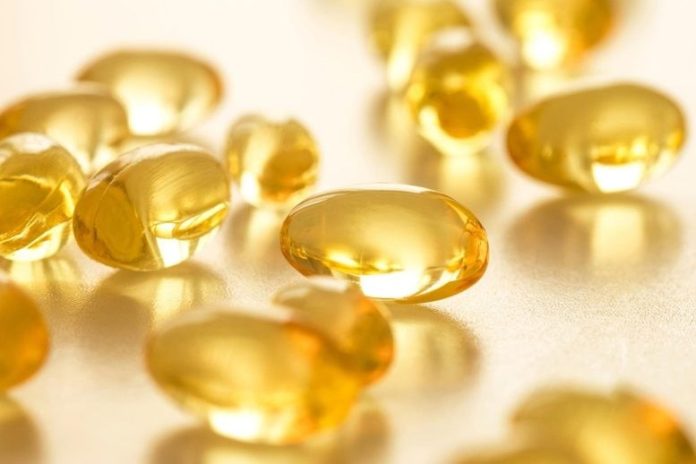
New research explores how a vitamin D3 nanoemulsion might help ease the primary symptoms of autism spectrum disorder (ASD) in young children. Many children diagnosed with ASD tend to have low levels of vitamin D3, a deficiency that has been associated with slower development in language, adaptive behaviors, and fine motor coordination.
Previous studies on regular vitamin D3 supplements have delivered inconsistent results. In contrast, this study focuses on a nanoemulsion form of vitamin D3, which is specifically designed to improve how well the body absorbs and utilizes the nutrient, potentially leading to more effective outcomes.
Study Design and Methodology
The study involved 80 children with confirmed ASD diagnoses, all between 3 and 6 years old. These children were randomly split into two groups: one group received the nanoemulsion version of vitamin D3, while the other group was given a commonly available standard supplement. Both groups followed their respective treatments for a six-month period.
Researchers evaluated the children’s vitamin D3 levels, social and adaptive behaviors, and language development both before and after the supplementation. To measure these changes, they used widely recognized assessment tools, including the Childhood Autism Rating Scale (CARS), the Vineland Adaptive Behavior Scale, and the Preschool Language Scale.
Only the nanoemulsion group showed statistically significant improvements in vitamin D3 levels, autism severity, social IQ, and both receptive and expressive language performance. The conventional supplement, despite raising blood vitamin D3 levels, did not lead to meaningful improvements in behavioral outcomes.
Implications and Future Directions
The study concludes that the nanoemulsion form of vitamin D3 is superior to the conventional oral form in terms of increasing vitamin bioavailability and producing clinically relevant improvements in children with ASD. The authors suggest that nanoemulsion technology could offer a valuable strategy for enhancing the effectiveness of nutritional interventions in neurodevelopmental disorders.
However, they acknowledge that further studies with larger sample sizes and long-term follow-up are needed to confirm these findings and explore potential gender-related differences in response.