The Best Time to Eat Peaches for Energy, According to a Dietitian
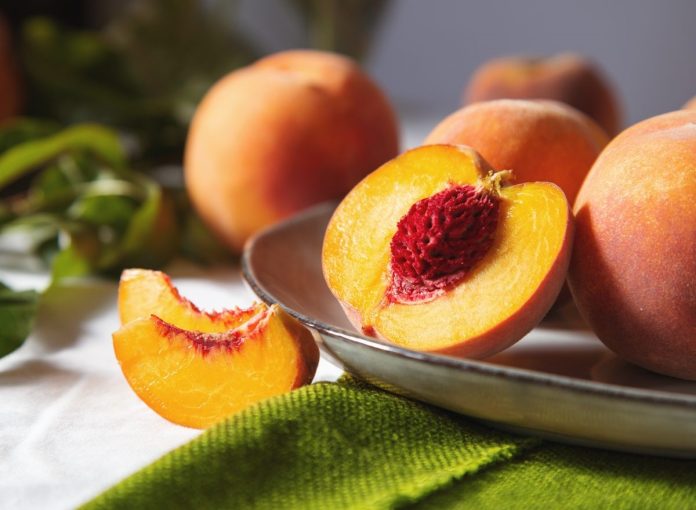
Peaches are a juicy, naturally sweet, nutritious, and refreshing fruit. While there’s no single best time to eat peaches, enjoying them before exercise or as an afternoon snack may help support energy.
Is There an Overall Best Time to Eat Peaches?
There is no best time to eat peaches for energy, but consider:
- Eating peaches as a snack for a quick burst of energy.
- Having a peach as a pre-workout snack.
- Incorporating peaches into your dairy eating habits.
- Choose the best time that works for you, and make eating peaches a regular part of your routine.
The Best Time to Eat Peaches to Beat the Afternoon Slump
While there is no best time to eat peaches, snacking on them in the afternoon may provide the necessary fuel to keep your blood sugar levels stable and prevent the afternoon slump.
Peaches provide carbohydrates, which the body breaks down into glucose, which then gets used to generate energy. Additionally, eating fruit as an afternoon snack helps prevent dips in available fuel, supporting more stable glucose levels and potentially improving energy levels. Unlike more refined carbohydrate sources like candy or other sweet treats, peaches contain fiber, which helps slow the absorption of glucose, leaving you with steadier energy levels.
Peaches package natural sugars with fiber, water, vitamins, and polyphenols instead of delivering sugar alone. This helps support more stable blood sugar levels and may influence the peaches’ effects on alertness and energy levels.
The Best Time to Eat Peaches for Energy to Power a Workout
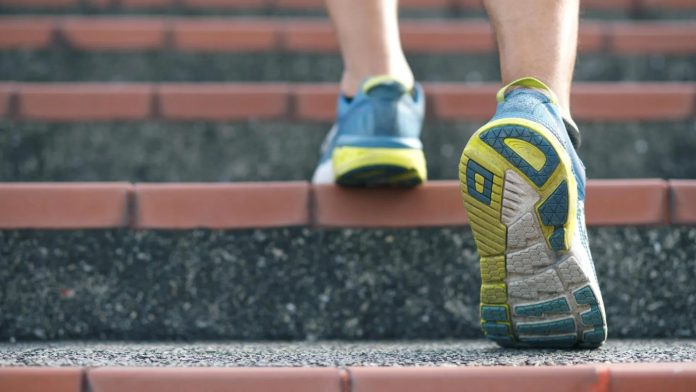
The best time to eat peaches for energy before a workout is within an hour of exercise.
Peaches are 89% water and contain 13 grams of carbohydrates, as well as essential electrolytes like potassium and magnesium. Eating a snack of roughly 15 grams of carbohydrates—slightly more than a typical medium-sized peach—within an hour before exercise provides necessary fuel for resistance training or a shorter workout.
Starting a workout hydrated is key to preventing dehydration, which can affect exercise performance and cognitive function. Eating a peach before a workout can offer nearly ½ cup of fluid to help minimize the chance of dehydration.
Peach Nutrition
One medium yellow peach provides the following nutrition:
- Water: 133 grams (89%)
- Calories: 59
- Protein: 1 g
- Fat: <1 g
- Carbohydrates: 14 g
- Fiber: 2.5 g
How to Add Peaches to Your Diet
Fresh, frozen, or canned peaches are great options for adding more of this delicious fruit to your diet. When choosing canned peaches, look for those packed in their own juice and without added sugar. Peaches are versatile and provide flavor and hydration to a variety of dishes.
- Add peaches to breakfast, over oatmeal, Greek yogurt, cottage cheese, chia pudding, or whole-grain cereal.
- Pair peaches with protein—such as cheese, nuts, cottage cheese, Greek yogurt, or roasted edamame or chickpeas—for a balanced snack.
- Blend fresh or frozen peaches into a smoothie.
- Eat on their own for a quick pre-workout snack.
- Toss sliced peaches into salads.
- Mix chopped peaches into salsas.
- Grill or roast peaches for a dessert.